“kinds of coffee raw beans” search results (4000)

Boutique coffee learn Elephant bean coffee beans (raw beans)
Although all kinds of raw coffee from all over the world have their own taste, they are almost the same size, whether they are Robbins or Arabica beans. However, giant coffee beans (Elephant bean) are an exception, which is three times or more larger than other coffee beans. The taxonomic name of this giant coffee bean is Maragogype, which comes from
2014-11-20 Coffee knowledge boutique coffee science coffee raw beans
The technique of brewing coffee creates extraordinarily good coffee
Before coffee becomes a drink, it has to go through many processes, such as planting, processing, baking, making and so on. To make an extraordinarily good cup of coffee, you need at least two indispensable prerequisites: one is to use high-quality coffee raw beans, and the other is to keep roasted beans fresh. According to botanical classification, coffee belongs to Rubiaceae, Coffea, Arabica species,
2014-10-16 Coffee knowledge coffee brewing techniques coffee encyclopedia
How can coffee raw beans be high quality raw beans?
First look at the general situation of beans, novel and high-quality raw beans, the general situation is shiny, in addition, the handling of good raw beans, average color, the uneven color of the general situation can not be called good beans, when choosing and buying, we must choose the average color. Secondly, the particles are of the same size, which is also evidence of good quality.
2014-08-21 Coffee knowledge coffee raw beans high quality raw beans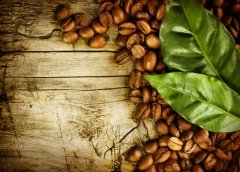
How many kinds of coffee roaster are there? advantages and disadvantages of coffee roaster
There are three types of coffee roasters on the market: Direct Fire Roaster, Half Hot Air Roaster, Hot Air Roaster, and there are a variety of commercial coffee bean roasters. Such as PROBAT, Diedrich, San Franciscan, Toper, Garanti, Has Garanti, Joper, Proater, Lori
2016-06-06 How much coffee roaster advantages and disadvantages on the court probably divided into
Coffee roasting knowledge Coffee encyclopedia
People need to put coffee from different origins together for several different purposes. The ideal goal, of course, is to combine coffee that tastes better than any of them. But in general, Arabica coffee from a single origin is enough to make a coffee that tastes good; it has a light flavor, a soft taste and a sweet aftertaste. So there's no need
2014-09-05 Coffee roasting knowledge Coffee encyclopedia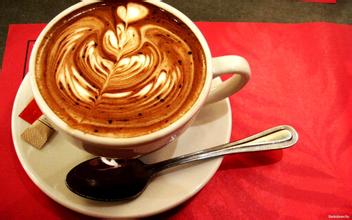
Seven factors of Flavor and aroma of Coffee Raw beans
Different producing areas will have different temperature, rainfall, sunshine, humidity and soil composition. So even the same variety of coffee will be cultivated in different environments with different flavors and aromas. For example, the rose summer in Ethiopia is different from that in Panama, because coffee trees produce fruits with different flavors depending on the growth environment.
2016-08-16 Coffee raw beans flavor aroma seven factors different factors origin temperature
The mixing of coffee beans
The mixture of coffee beans people need to combine coffee from different places for several different purposes. The ideal goal, of course, is to piece together a coffee that tastes better than any of them. But generally speaking, Arabica coffee from a single origin is enough to make coffee that tastes good for export; it has a delicate flavor, a soft taste and a sweet aftertaste.
2014-08-15 Coffee knowledge coffee bean mixing coffee encyclopedia
Coffee Basics Professional Coffee Roasting Knowledge
People need to put coffee from different origins together for several different purposes. The ideal goal, of course, is to combine coffee that tastes better than any of them. But in general, Arabica coffee from a single origin is enough to make a coffee that tastes good; it has a light flavor, a soft taste and a sweet aftertaste. So there's no need
2014-10-22 coffee knowledge coffee primer coffee basics coffee roasting
Professional knowledge of coffee roasting
First, the mixing of coffee beans people need to combine coffee from different places for several different purposes. The ideal goal, of course, is to piece together a coffee that tastes better than any of them. But generally speaking, Arabica coffee from a single origin is enough to make coffee that tastes good for export; it has a delicate flavor, a soft taste and a sweet aftertaste. So you don't need it.
2014-08-26 Coffee knowledge professional coffee roasting roasting knowledge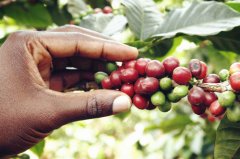
Ten keys to the selection of coffee raw beans for fine coffee
Boutique coffee (specialty coffee) is also called specialty coffee selection coffee. It refers to coffee made from a small number of raw beans with excellent taste grown in an ideal geographical environment. Depending on the special soil and climatic conditions in which they grow, they have outstanding flavor. After strict selection and classification, this kind of coffee is hard in texture, rich in taste and stylish.
2016-05-24 Boutique coffee selection raw beans ten key boutique specia
What is the coffee cup test? why is the coffee cup test?
Coffee cup test preparation items: 1, a table; 2, cup meter, 1 / person. 3. Test samples, at least 4-5 kinds of raw beans and cooked beans; 4, tablespoons; 5, about 12 wide-mouth glasses; 6, hot water; 7, garbage basket; coffee cup testing steps: 1, put the coffee beans in a basin on the table (4 kinds of raw beans and 4 kinds of cooked beans), the glass is divided into four positions
2016-06-07 Coffee cup what is it why coffee cup preparation items table one cup test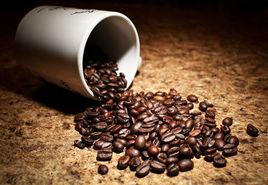
Brazilian coffee boutique coffee raw beans the latest introduction of coffee beans unique flavor full of taste
Anyone who has studied it knows that Brazil is vividly compared to the giant and monarch of the coffee world. There are about 3.97 billion coffee trees there, and small farmers now grow 75% of Brazil's total coffee production. The number of coffee producers in Brazil is twice or even three times that of Colombia, the second largest coffee producer in the world. This is the largest coffee producer.
2016-01-09 Brazil coffee boutique raw beans latest coffee beans introduction flavor unique taste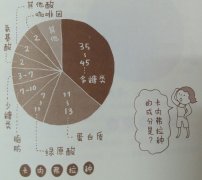
What ingredients are raw coffee beans made of?
What ingredients are raw coffee beans made of? In raw coffee beans, moisture accounts for 9% to 13%, and moisture has little effect on the aroma of coffee beans. Later, I will introduce the content of various ingredients (calculated according to the state of dried raw beans). When the share of these ingredients changes, the flavor of coffee beans will also change greatly. Content in polysaccharides raw beans
2015-10-21 Coffee beans are made of what are the ingredients the composition of coffee beans?
Boutique coffee beans raw beans in Jamaica Blue Mountain Garden
Raw beans Mavis bank Peaberry in Blue Mountain Park, Jamaica, only about 2% of Blue Mountain Coffee produces Peaberry. It depends on time and luck to buy these beans. Jamaica Blue Mountain Mavis bank green beans Peaberry raw beans only about 2% of Blue Mountain coffee producing Peaberry, to buy this kind of coffee beans depends on time and luck. Watch out
2014-10-18 Coffee knowledge boutique coffee beans Jamaica coffee raw beans Blue Mountain Coffee
Detailed Analysis of the components of Fine Coffee beans
Volatile compounds are the primary source of coffee flavor, especially for coffee quality. There are many kinds of volatile snail in coffee, and its existence will affect the aroma quality of coffee. Its primary origin is derived from the non-volatile substances in raw beans which are disconnected or derived from spinning hooks in the process of roasting. Impregnation of thermal differentiation, other spinning hooks or compositions, such as sugars and amino acids
2014-09-04 Coffee knowledge boutique coffee beans coffee bean ingredients coffee bean analysis
Elephant bean coffee beans (raw beans)
Although all kinds of raw coffee from all over the world have their own taste, they are almost the same size, whether they are Robbins or Arabica beans. However, giant coffee beans (Elephant bean) are an exception, which is three times or more larger than other coffee beans. The taxonomic name of this giant coffee bean is Maragogype, which comes from
2014-07-02 Coffee beans
Factors affecting the baking degree of coffee beans during roasting process
The property of coffee beans during roasting is the main process of heating raw beans and developing the aroma and taste of coffee. The aroma and taste emitted are determined by the original characteristics of each kind of raw bean. The depth of fried beans depends on the type of raw beans, and the process of fried beans is the main process of heating raw beans and developing the aroma and taste of coffee. The aroma and taste are produced by every
2015-10-06 Roasting process coffee beans attributes influence degree depth factors
The basis of coffee bean blending
During this period of time, I have been collecting the knowledge of blending beans, which is also the direction and field of my own efforts. I will put up some things that I experience and find useful, and share them with you, so that friends with common goals can learn together. I also hope that experienced friends can put forward their own opinions and opinions. The reason and purpose of matching people need to put for several different purposes
2014-06-12 Coffee beans blending basic
What ingredients are raw coffee beans made of?
In raw coffee beans, moisture accounts for 9% to 13%, and moisture has little effect on the aroma of coffee beans. Later, I will introduce the content of various ingredients (calculated according to the state of dried raw beans). When the share of these ingredients changes, the flavor of coffee beans will also change greatly. The most abundant ingredient in polysaccharide raw beans is polysaccharides, accounting for 35% and 4%.
2015-10-21 Coffee beans which are made of ingredients composition coffee raw beans moisture account for 13.
Detailed analysis of coffee bean ingredients
Volatile substances: Volatile substances are the main source of coffee flavor and are especially important for coffee quality. There are many kinds of volatile compounds in coffee, and their existence will affect the aroma quality of coffee. The main source is derived from non-volatile substances from raw beans, which are broken off or reacted during roasting. Thermal decomposition, other reactions, or interactions between components, e.g. sugar
2014-11-22 Coffee knowledge Fine coffee science Coffee bean ingredients